If you can't have contrast — for example after a previous reaction or because of reduced kidney function — there are usually alternatives. These include non-contrast versions of the scan, a different test like ultrasound or MRI (which can image some blood vessels without contrast), contrast-enhanced ultrasound using microbubbles, or premedication if contrast is truly necessary. Your radiologist works out the best option.
Key takeaways
- Reduced kidney function or a past reaction can mean contrast is best avoided.
- Many questions can be answered with a non-contrast scan or a different test.
- MRI can image some blood vessels without any contrast; ultrasound uses none.
- Microbubble ultrasound is an option for people who can't have iodine or gadolinium.
Sometimes contrast is best avoided — most often because of a previous reaction or reduced kidney function. The good news is there’s usually more than one way to get the answer.[3]
A non-contrast version of the scan
Many scans can be done without contrast and still answer the question — it depends on what’s being investigated. Your radiologist can advise whether a non-contrast scan would be enough in your case.[2]
A different test
A different type of imaging may avoid contrast altogether:[2]
- Ultrasound uses no contrast and no radiation, and is excellent for many soft-tissue and blood-flow questions.
- MRI can increasingly image some blood vessels without any contrast, using special techniques — useful if iodine or gadolinium is best avoided.
Contrast-enhanced ultrasound (microbubbles)
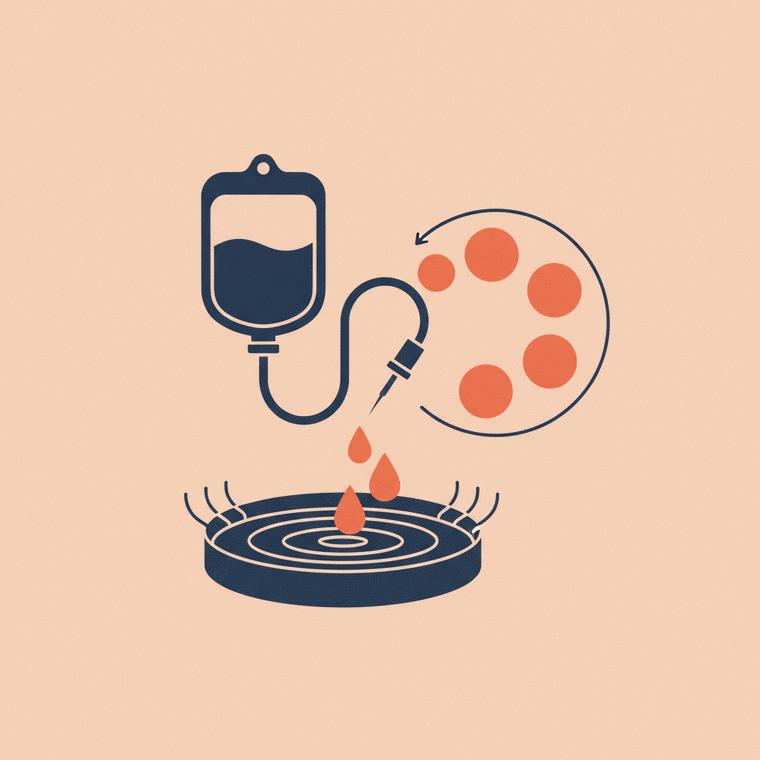
There’s also a specialised option: contrast-enhanced ultrasound using tiny gas-filled microbubbles, injected into a vein.[1] They reflect ultrasound strongly, improving views of blood flow in organs like the liver, kidneys and heart — and they use no radiation and dissolve within minutes. Because they don’t affect the kidneys, they’re a useful option for people with kidney failure or allergies to CT/MRI contrast.[1]
If contrast is truly necessary
Sometimes a contrast scan really is the best (or only) way to get vital information. In that case, if you’ve reacted before, the team can give corticosteroid tablets for several hours beforehand to reduce (though not eliminate) the chance of another reaction; if your kidneys are the concern, they may use a smaller amount and give extra fluids.[3]
Frequently asked questions
I reacted to contrast before — do I have to have it again?
Not necessarily. Your radiologist may use a non-contrast scan or a different test. If contrast is unavoidable, premedication can lower the risk.[3]
Can a scan look at blood vessels without contrast?
Sometimes — MRI in particular can image some blood vessels without any contrast, and microbubble ultrasound can show blood flow. Whether they’re suitable depends on the clinical question.[2]
Is there a contrast that’s safe for bad kidneys?
Microbubble ultrasound contrast doesn’t affect the kidneys and is one option in kidney failure. Your radiologist chooses the safest way to answer your question.[1]
Sources
- RadiologyInfo.org (RSNA & ACR) — Contrast Materials — www.radiologyinfo.org/en/info/safety-contrast
- RANZCR / InsideRadiology — Magnetic resonance imaging (MRI) — www.insideradiology.com.au/mri-hp/
- RANZCR / InsideRadiology — Iodine-containing contrast medium (ICCM) — www.insideradiology.com.au/iodine-containing-contrast-medium/